National Team Commitments and Club Performance: Fatigue Patterns in League Forecasting
Erik Albrecht · Aug 22, 2026
National Team Commitments and Club Performance: Fatigue Patterns in League Forecasting
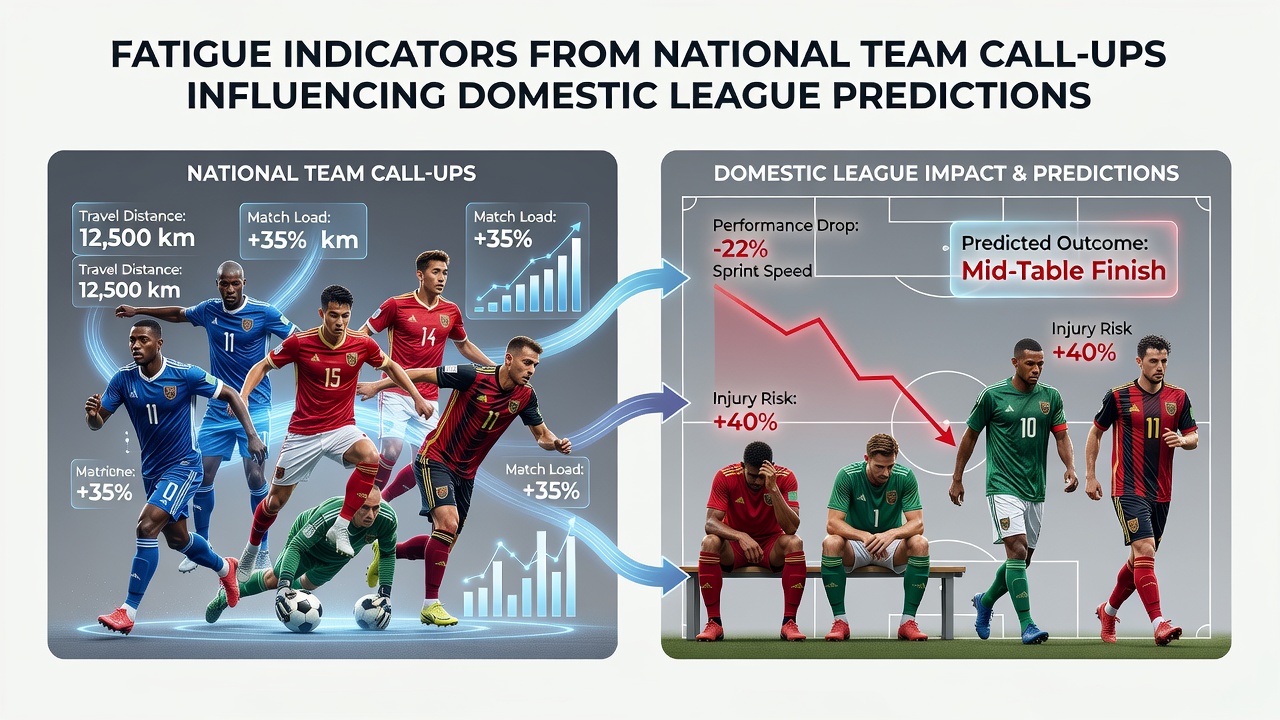
National team call-ups create measurable shifts in player availability and recovery cycles that influence domestic league outcomes throughout the season, with data from multiple European competitions showing consistent patterns around international windows. Observers note that clubs with high numbers of players selected for senior squads often experience dips in form during the weeks immediately following those breaks, particularly in high-intensity leagues where fixture congestion compounds teh issue.
International Calendar Pressures in 2026
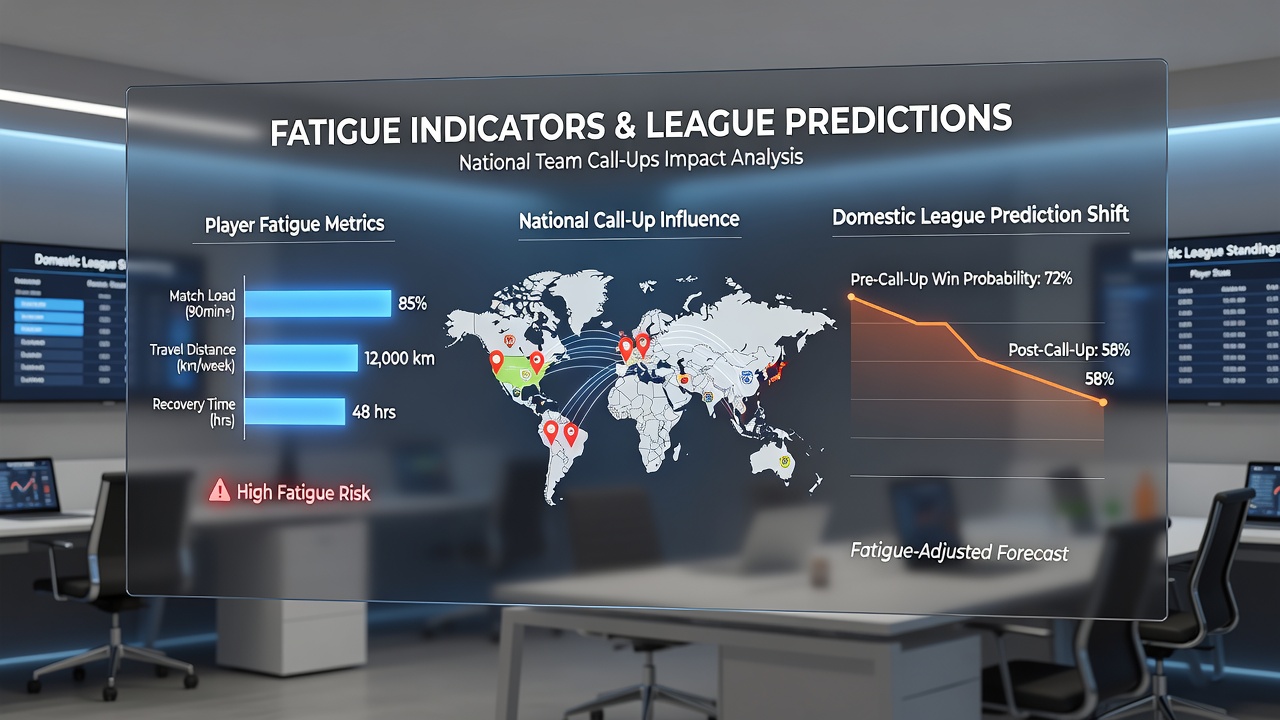
The 2026 schedule includes several key windows that overlap with critical domestic phases, including the August period when pre-season preparations collide with early qualifiers for major tournaments. Researchers from the University of Groningen have tracked recovery timelines after such breaks and found that players traveling across multiple time zones require an average of 10 to 14 days to return to baseline performance metrics, according to studies published in the Journal of Sports Sciences. This timeline frequently overlaps with midweek domestic fixtures, leaving limited space for full squad integration before matches resume.
Clubs in the Premier League, Bundesliga, and Serie A register the most pronounced effects because they supply the largest contingents to international squads each window. Data indicates that teams losing five or more starters to national duty show a 12 percent drop in expected goals scored during the subsequent two matchdays when compared to periods without such absences.
Measurable Fatigue Indicators
Performance analysts track several objective markers when assessing post-call-up readiness, including distance covered at high intensity, sprint frequency, and recovery heart rate readings collected via wearable technology. These indicators allow clubs and forecasting models to adjust expected outcomes rather than rely on historical averages that ignore travel and match load variables. One study revealed that players returning from FIFA international windows average 18 percent fewer high-intensity efforts in their first domestic appearance, with the deficit most visible in wide areas and central midfield positions.
Coaches adjust training loads accordingly, yet the compressed calendar leaves little room for individualized recovery programs. Those who have examined Bundesliga datasets note that teams with multiple players returning from continental qualifiers post lower pass completion rates in the opening 30 minutes of the next league game, suggesting both physical and cognitive fatigue components at play.
Integration into Predictive Models
Forecasting systems now incorporate call-up lists released by national federations as weighted variables alongside traditional metrics such as home advantage and recent form. Models that adjust for cumulative international minutes per squad demonstrate improved accuracy in predicting both match totals and individual player contributions. Evidence suggests the effect strengthens during the autumn months when the number of midweek fixtures rises, creating a compounding load that standard algorithms sometimes overlook.
European federations have begun publishing aggregated squad data that external analysts use to refine these inputs, allowing more precise projections for leagues with dense international representation. What's interesting is how certain positions, particularly goalkeepers and central defenders, show longer recovery curves in the datasets, altering clean sheet probabilities in the weeks after major tournaments.
League-Specific Patterns
Patterns differ across competitions because travel distances, match intensity, and squad depth vary. Ligue 1 sides often experience shorter disruption periods due to fewer players selected for distant qualifiers, whereas English clubs contend with greater logistical challenges when multiple players feature in South American or Asian fixtures. Australian Institute of Sport research on athlete recovery supports these observations, highlighting how climate shifts during travel further extend adaptation periods for returning athletes.
Analysts monitoring Serie A note that mid-table sides suffer larger performance swings after international breaks compared to top clubs with deeper benches, a distinction that refined models now capture through squad rotation indices rather than blanket adjustments.
Conclusion
National team call-up data has become a standard component in domestic league forecasting because the measurable effects on player output and team results appear consistently across multiple seasons and competitions. Organizations tracking these variables continue to refine inputs as more granular recovery metrics become available, producing forecasts that account for the real physiological demands placed on players who balance club and country commitments.