Momentum Shifts in Midweek European Fixtures: How Travel Fatigue Shapes Accumulator Selections Across Multiple Leagues
Sam Neumann · Aug 17, 2026
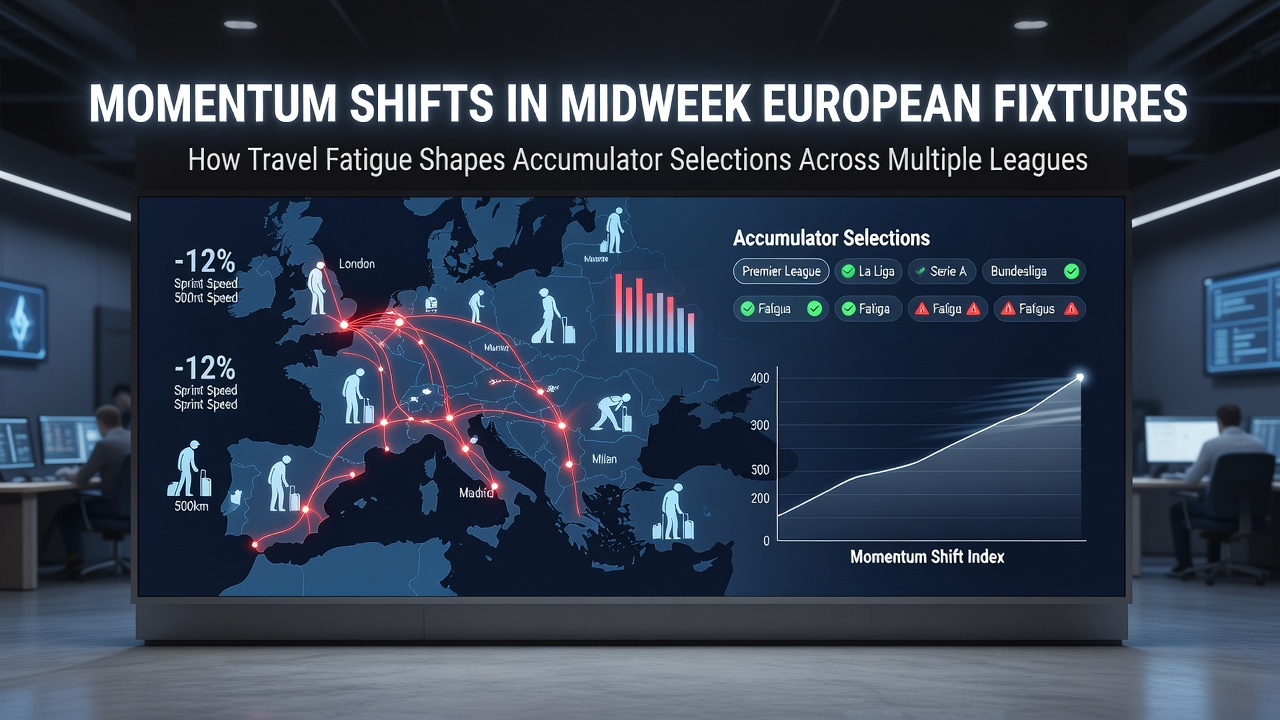
Momentum Shifts in Midweek European Fixtures: How Travel Fatigue Shapes Accumulator Selections Across Multiple Leagues
European football calendars pack multiple leagues with midweek commitments that force teams across borders for Champions League, Europa League, and Conference League ties; these fixtures create measurable momentum swings because long-distance travel disrupts recovery cycles and alters squad freshness before domestic league rounds resume. Observers note that clubs covering distances exceeding 1,500 kilometers within 72 hours show reduced high-intensity running outputs in subsequent matches, according to tracking data compiled by league performance analysts. This pattern appears consistently across the Bundesliga, Serie A, La Liga, and Ligue 1 schedules, where teams returning from away legs often concede early goals or struggle to maintain pressing intensity.
Fixture Congestion and Recovery Metrics
August 2026 brings an early cluster of qualifying rounds that overlap with domestic opening weekends, leaving some squads with limited preparation time between flights and training sessions. Studies conducted by sports science departments at European universities have quantified how jet lag and disrupted sleep patterns extend recovery windows by up to 48 hours, particularly when teams cross multiple time zones. Teams based in northern Europe traveling to southern or eastern venues experience the sharpest drops in sprint frequency during the first half of their next league outing, while home sides that avoided midweek travel post higher expected goal values in the opening 30 minutes.
Cross-League Patterns in Accumulator Construction
Betting markets reflect these shifts through adjusted odds on team totals, both-teams-to-score lines, and half-time results. Data from multiple seasons shows that sides playing away in Europe midweek underperform in their immediate domestic fixture by an average of 0.4 goals scored, prompting accumulator builders to favor unders or opponent clean-sheet selections in those slots. In contrast, rested teams facing fatigued opponents appear more frequently in same-game multi selections because their defensive lines hold shape longer. Analysts tracking these trends across five major leagues report that accumulators built around rested home favorites deliver steadier returns when at least two legs involve post-European travel fatigue.
League-Specific Responses to Travel Load
Bundesliga clubs often manage rotation more aggressively than their counterparts elsewhere, yet even they display measurable dips in pass completion rates after midweek away legs. Serie A fixtures following European ties show elevated corner counts for the fresher side because fatigued defenses allow wider play to develop. La Liga sides returning from distant venues concede set-piece goals at higher rates, a trend visible in match reports and expected-goal models. Ligue 1 encounters reveal similar edges for teams with full rest weeks, especially when the fixture list places them against sides that crossed borders twice in eight days. Observers compiling these figures note that accumulator selections mixing one rested favorite with two unders from fatigued sides produce tighter variance across sample periods.
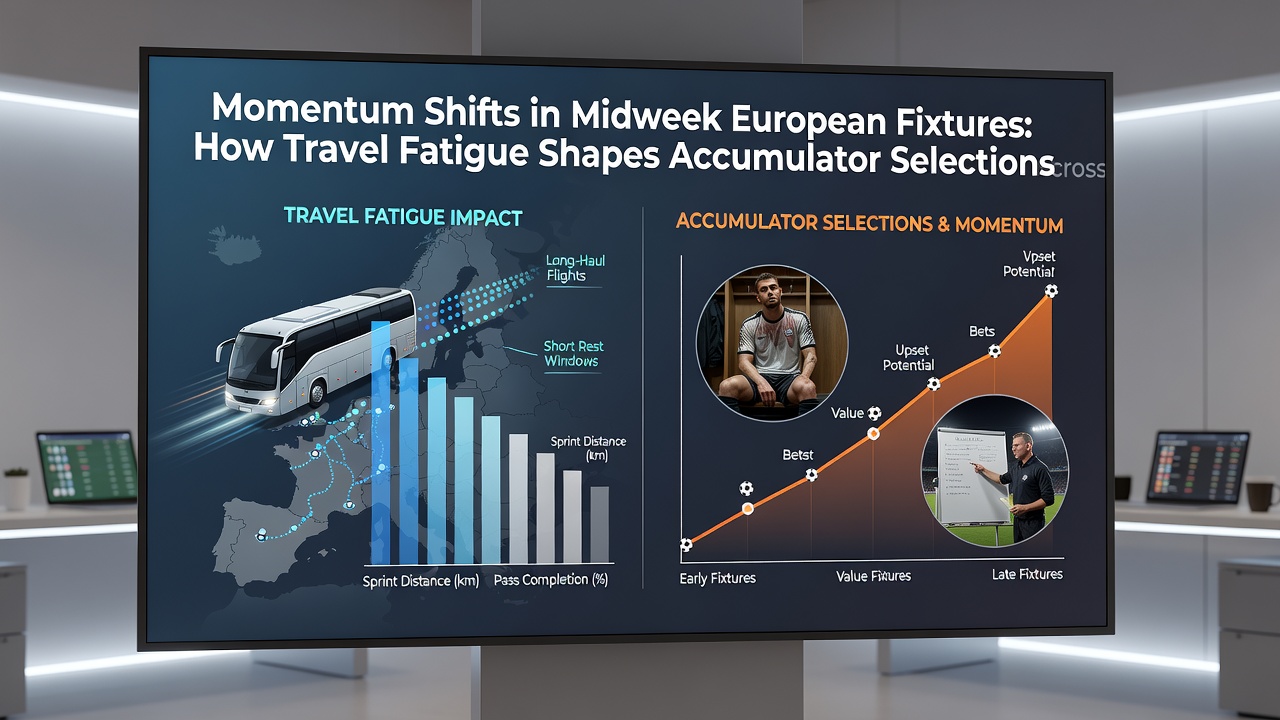
Those who study player-tracking systems point out that central midfielders log fewer recoveries when they have logged over 400 minutes across two competitions in a fortnight. This reduction opens channels for counter-attacks that live-betting markets price accordingly once the first 15 minutes confirm slower pressing triggers. Accumulator players who monitor pre-match warm-up reports and injury lists gain additional context because fatigued squads often name altered starting elevens that favor experience over athleticism.
Practical Data Points for Selection Building
Performance databases reveal that the probability of a clean sheet rises by roughly 12 percent for home teams hosting opponents who played away in Europe four days earlier. The same datasets show that both-teams-to-score frequency drops when the traveling side covers more than 2,000 kilometers round-trip. These indicators guide selections that layer domestic overs or unders onto European legs where home advantage remains intact. Research institutions examining fixture lists from 2023 through 2026 identify clusters in September and October where multiple leagues run parallel midweek programs, creating repeatable windows for such layered accumulator structures.
Teams that rotate heavily before midweek departures maintain closer to baseline metrics upon return, yet their domestic opponents still benefit from fresher legs and tactical familiarity with the venue. This dynamic appears most pronounced in matches scheduled on Thursday-to-Sunday turnarounds, where sleep-debt accumulation peaks. Figures released by continental competition organizers document average flight times and their correlation with next-match output, giving bettors concrete variables to weigh when constructing multi-leg selections across borders.
Conclusion
Midweek European travel creates predictable momentum adjustments that ripple through domestic schedules in measurable ways. Accumulator selections informed by rest differentials, distance traveled, and rotation patterns draw directly from performance datasets rather than intuition. As the 2026 calendar unfolds, these variables remain central to constructing informed multi-league bets that account for the physical demands placed on squads balancing continental and domestic commitments.