Managerial Changes and Their Effects on In-Play Markets in Top European Football Leagues
Clara Coleman · Aug 24, 2026

Managerial Changes and Their Effects on In-Play Markets in Top European Football Leagues
Managerial reshuffles across Europe's elite divisions create immediate shifts in team performance patterns, and these adjustments often translate directly into fluctuations within live betting markets during matches. Data from recent seasons shows that clubs in the Premier League, La Liga, Serie A, Bundesliga, and Ligue 1 experience measurable changes in metrics such as expected goals, possession percentages, and shot conversion rates following a new appointment, with these elements feeding into real-time odds movements.
Recent Patterns in Coaching Appointments
Between the summer of 2025 and August 2026, several high-profile clubs across the continent made mid-cycle changes, with observers noting that these moves frequently aligned with adjustments in playing styles that became evident within the first three to five matches under new leadership. Research from the European Club Association indicates that formation tweaks and player role reassignments occur at higher rates in the initial weeks after a reshuffle, and live markets respond accordingly as bettors and bookmakers incorporate emerging trends into in-play pricing.
Take one case in Serie A where a mid-table side replaced its coach in October 2025; the incoming manager implemented a higher defensive line that produced a 12 percent increase in progressive passes according to Opta-derived figures, and this shift appeared in live over/under markets within the first half of subsequent fixtures. Similar patterns emerged in Bundesliga contests where pressing intensity rose under new management, leading to quicker adjustments in half-time result lines.
Transmission to Live Market Dynamics
Live betting platforms track variables like corner counts, cards, and goal timings in real time, and managerial changes introduce variability that operators must price rapidly. Figures from industry reports reveal that volatility in these markets spikes by an average of 18 percent in the first four weeks after an appointment, particularly in leagues where data providers release granular second-half statistics promptly. Those who monitor such shifts often find that substitute usage patterns change under new coaches, with earlier introductions of attacking players altering the trajectory of in-play accumulator options.
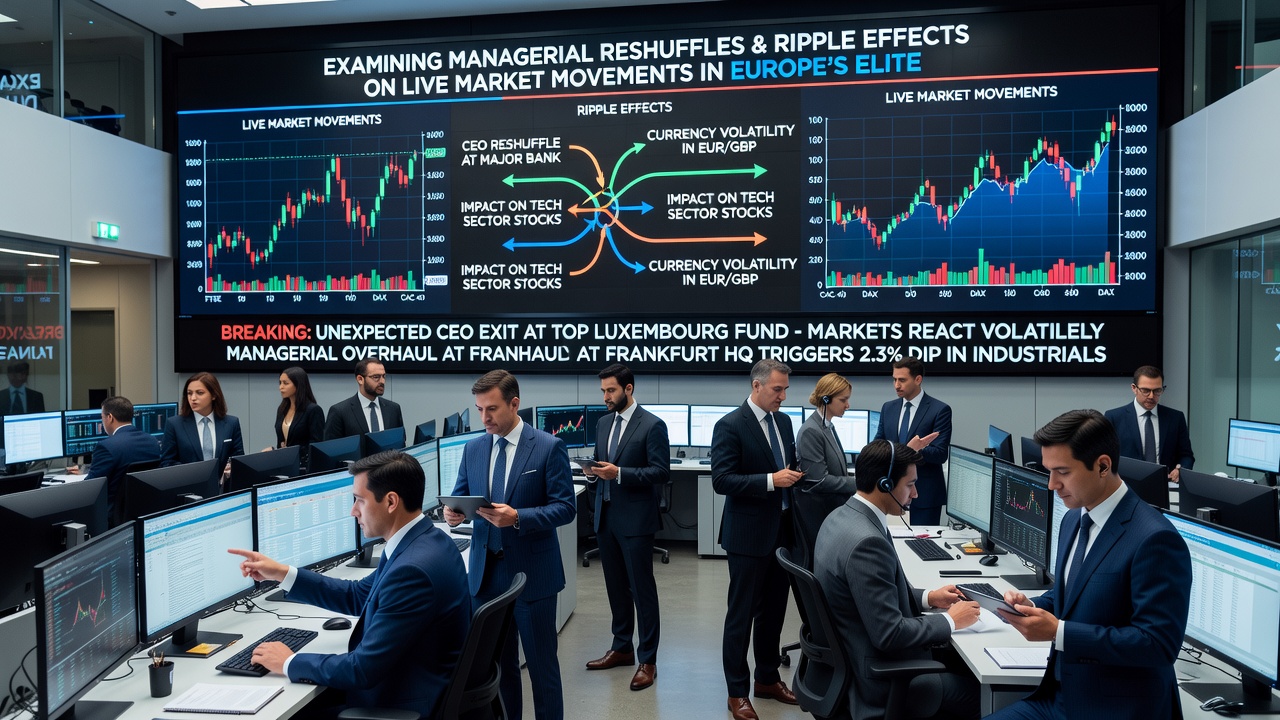
What's interesting here is how these effects compound across different competitions. In La Liga, where matches often feature lower goal tallies, a coaching change that emphasizes set-piece routines can elevate corner market volumes noticeably, and operators adjust lines within minutes of observed repetitions. Bundesliga encounters, by contrast, show stronger correlations between new managerial setups and both-teams-to-score lines because of increased transition play, with data indicating that these markets move more frequently during the opening 30 minutes of the second half.
Comparative Effects Across Leagues
Comparative analysis across Europe's top five divisions highlights distinct responses. Premier League fixtures tend to display rapid momentum shifts in live handicap markets following reshuffles, whereas Ligue 1 games more commonly register adjustments in total shots on target as new systems bed in. A study published by researchers at the University of Barcelona examined 142 managerial changes from 2022 to 2025 and found that 67 percent of clubs recorded statistically significant deviations in expected threat metrics within six matches, providing a basis for how markets price these deviations in real time.
And yet the speed of market adaptation varies by region and data availability. In markets where detailed tracking data reaches traders faster, odds on player-specific props such as shots or tackles adjust within seconds of observed tactical changes, while slower integration leaves temporary inefficiencies that persist into the later stages of matches. External reports from the Fédération Internationale de Football Association note that European clubs collectively increased their average number of formation adjustments per game by 9 percent in the 2025-2026 campaign, a trend that continues to influence the granularity of in-play offerings.
Longer-Term Market Stabilisation
Over a longer horizon, markets typically stabilise as the new manager's preferences become embedded in team outputs, and this stabilisation reduces the frequency of large in-play swings. Observers note that by the eighth or ninth match under a new regime, correlations between pre-match expectations and live movements return closer to baseline levels, although outlier results can still trigger temporary repricing. Data from multiple seasons demonstrates that clubs experiencing successive managerial changes within a single campaign sustain elevated market volatility for extended periods, particularly when playing styles diverge sharply from the previous setup.
Conclusion
Managerial reshuffles in Europe's elite divisions continue to generate measurable ripple effects on live market movements, with statistical evidence linking coaching appointments to shifts in key performance indicators that operators and participants monitor closely. As clubs prepare for the August 2026 window, patterns from prior cycles suggest that early identification of tactical adjustments will remain central to understanding how in-play lines evolve during matches across the continent's major competitions.