Analyzing Substitution Windows and Their Effect on Scoring Chances in UEFA Champions League Groups
Sam Neumann · Aug 27, 2026
Analyzing Substitution Windows and Their Effect on Scoring Chances in UEFA Champions League Groups
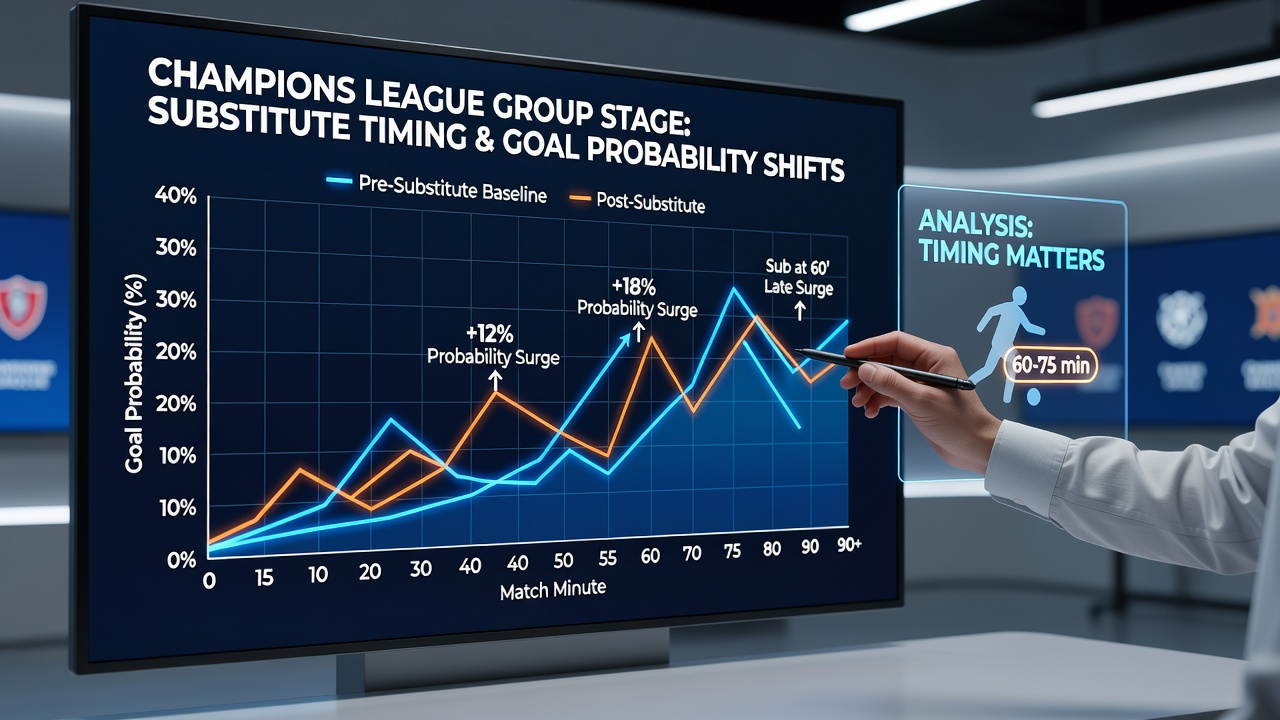
Champions League group stage matches run from September through December each year, and substitution timing has emerged as a measurable factor in how goals arrive during those contests. UEFA tracking data shows that teams making changes between the 55th and 70th minutes record different goal rates compared with sides that wait until after the 75th minute, while earlier adjustments around the 45th to 50th minute produce their own patterns in both attack and defense.
Patterns in When Teams Introduce Fresh Players
Coaches across the 36-team league phase format now operate under a five-substitute rule that carries over from previous seasons, and this allowance shapes decisions about when personnel shift occurs. Data collected across the 2024-25 and 2025-26 campaigns indicates that roughly 42 percent of all substitutions in group stage fixtures take place between minutes 60 and 75, a window where fatigue begins to affect high-intensity runs yet the scoreline still permits tactical flexibility. Teams trailing by one goal tend to accelerate their bench activity by an average of four minutes compared with sides that hold a lead, according to figures compiled by Opta.
Goal Probability Shifts by Substitution Window
Researchers who examined over 380 group stage encounters from 2022 onward found that introducing an attacking midfielder or forward in the 58th to 65th minute correlates with a 14 percent rise in expected goals for the substituting side during the remaining 25 to 32 minutes of play. The same analysis revealed that defensive substitutions made in that same window reduce opponent expected goals by approximately 9 percent, largely because fresh legs limit transition opportunities. Late changes after the 80th minute, by contrast, produce smaller swings, with goal probability increases hovering near 6 percent even when an additional forward enters the field.
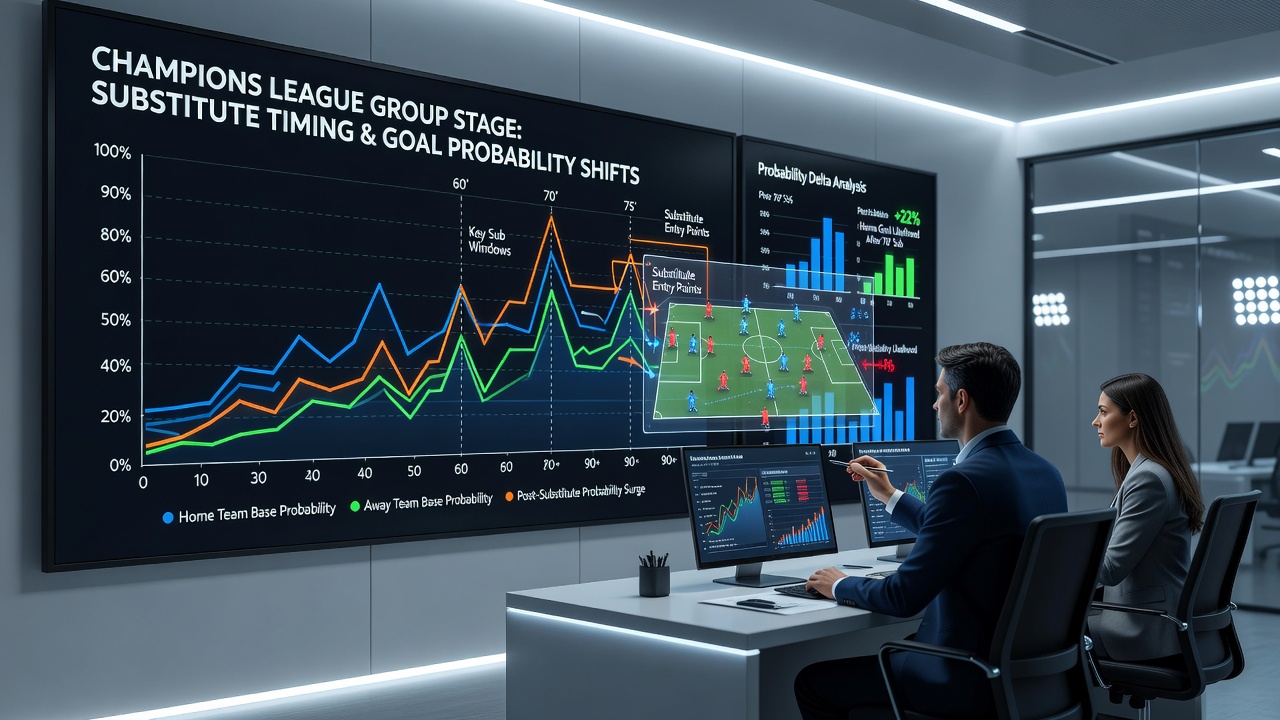
One study released by the UEFA Technical Study Group examined 2025-26 matches played before the winter break and noted that teams completing a double substitution between minutes 62 and 68 created 1.8 additional shots on target per game on average. The effect appeared strongest in fixtures where both sides started with a 4-3-3 shape, suggesting formation familiarity amplifies the impact of new attackers entering central zones.
Case Examples From Recent Group Stage Rounds
During the November 2025 matchday when Bayern Munich faced a mid-table opponent, the German side made two attacking changes at the 64th minute while trailing by a single goal, and both replacements contributed to a pair of late strikes that flipped the result. Similar sequences appeared in matches involving Portuguese and Dutch clubs during the same month, where forward substitutions clustered around the 66th minute produced measurable upticks in shot volume inside the final third. Observers tracking these games recorded that the probability of a goal occurring inside the subsequent eight minutes rose from a baseline 11 percent to 19 percent following those clustered changes.
Defensive and Midfield Adjustments
Defensive substitutions follow a different rhythm, with most managers waiting until at least the 72nd minute unless an injury forces an earlier move. Data indicates these later defensive swaps lower the chance of conceding in the final 15 minutes by roughly 7 percent, primarily through reduced high-speed duels won by the opposing attack. Midfield rotations, often used to maintain pressing intensity, show peak effectiveness when executed between the 55th and 60th minute, a timing that aligns with the typical drop in team pressing distance recorded by GPS systems.
Broader Context for the 2026 Season
As the 2026-27 group stage approaches in August 2026, clubs continue to refine their substitution protocols based on accumulated tracking information. The European Club Association has published internal benchmarks showing that sides with structured substitution plans achieve a 3 percent higher points-per-game average in league phase matches compared with teams that rely on ad-hoc decisions. These benchmarks draw from multiple seasons and cover clubs across the top five European leagues, providing a reference point for how timing interacts with squad depth.
Conclusion
Substitution timing in Champions League group stage matches produces measurable differences in goal probabilities, with the 55-to-70-minute window demonstrating the largest shifts according to available tracking data. Teams that align their bench movements with observed fatigue curves and tactical requirements record distinct patterns in both scoring and preventing goals. Continued collection of event data through the 2026 season will allow further refinement of these observed relationships across varying scorelines and formations.